Pathology
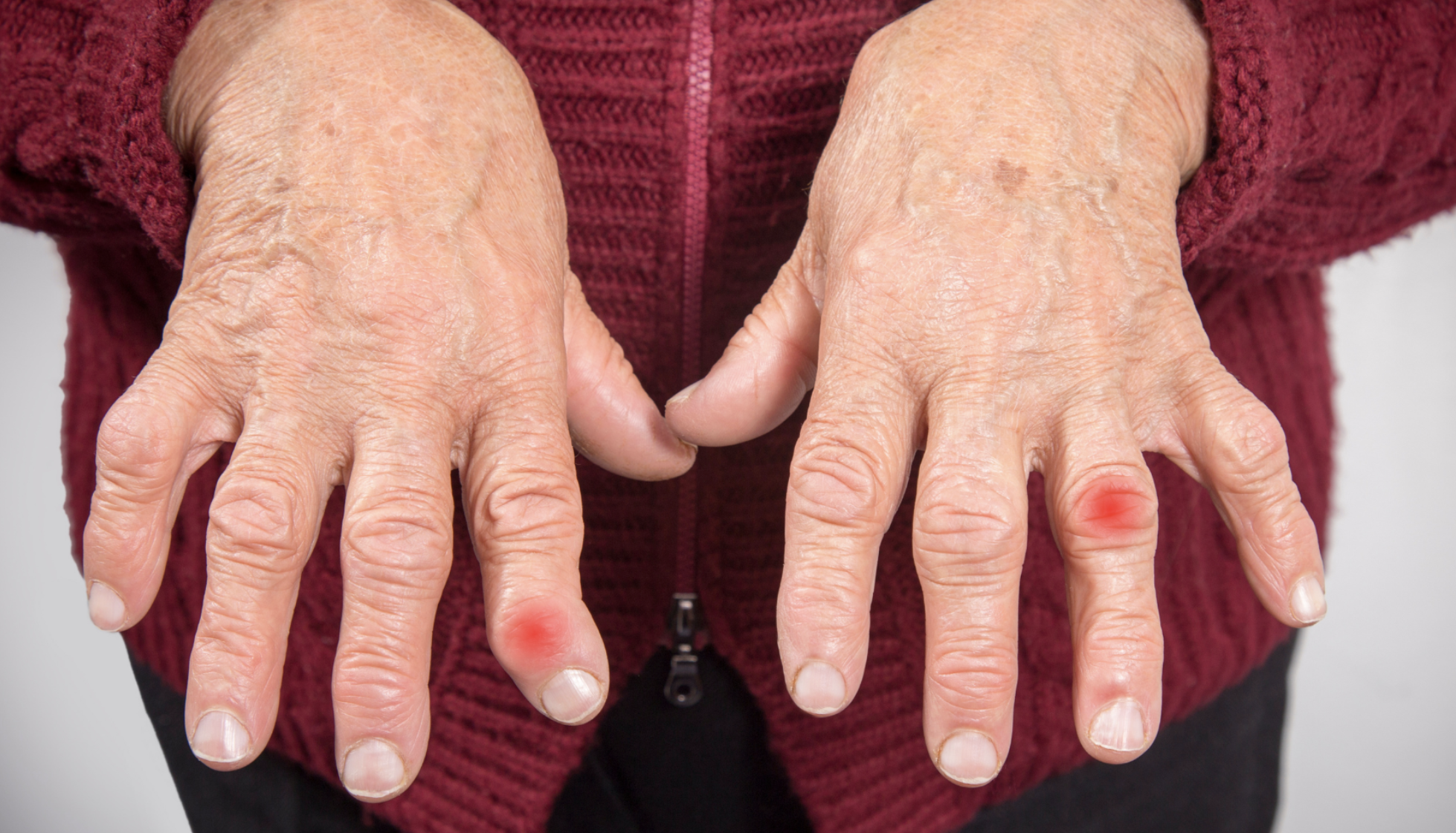
Osteoarthritis, or joint degeneration, most commonly occurs in the end joints of the fingers (distal interphalangeal joints or DIP) and less frequently in the proximal interphalangeal (PIP) and metacarpophalangeal (MCP) joints.
Finger osteoarthritis may cause pain and swelling in the fingers. The fingers may gradually become deformed or deviated, and joint mobility may decrease. Bony enlargements often develop at the level of the distal joints of the fingers, known as Heberden’s nodes. These should be distinguished from mucoid cysts, which are fluid-filled cysts that may also occur in association with finger osteoarthritis.
Examination
A standard X-ray of the finger shows the degree of cartilage thinning, possible bone overgrowth (osteophytes), and the quality of the bone.
Treatment
Non-surgical
Pain related to finger osteoarthritis can be treated with pain medication, the use of a brace or splint, and, if necessary, an intra-articular injection of a cortisone preparation.
Surgical
Several surgical treatments are available for finger osteoarthritis.
In cases of severe deformity or in patients who place heavy demands on their hands, arthrodesis may also be performed at the PIP and MCP joints.
These procedures are usually performed as day surgery and generally do not require general anesthesia.